So many different types of plants are used in Herbal Medicine, I thought we should put some pictures in to give you an idea of some of the plants that have been used over 4-6 thousand years, the Qualified Medical Herbalist can use parts and actives from a large number of plants, some can be dangerous if not used in the correct way, while others are extremely reliable and easy to use. I have listed some of the plant “active components”,to give you an idea of how complex and varied the botanical world can be
Origanum Vulgar
This herb is used in cooking and herbal medicine, it contains volatile oils, flavonoids and caffeic acid derivatives + has an antimicrobal action and has a long history in folk medicine.
Viscum Album
Mistletoe. Contains, lectins, polypeptides,sugar alc,flavonoids, phenyl alyl alc,lignans and triterpenes. When used wisely, this herb is very useful.
Borago Officinalis
Borage . Bees love this plant. The seed oil contains gamma-linolenic acid(17-20%)and has an astringent action + it also contains pyrrolizidine alkaloids, silicic acid and tannins. A wonderful oil to use in cream making. UPDATE There are now companies working with specific modifed Borago seed oil, for the treatment of Multiple sclerosis. Tests and Trials are ongoing, the results so far are interesting….
Pulmonaria Officinalis
Lung wort. The plant got its name from the leaves looking like lungs. the actives are , triterpene acid esters, sterols and volatile oil . So the plant looks the way it works and that is clever.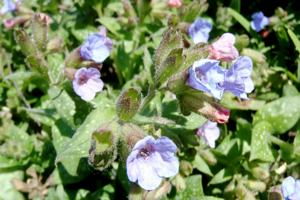
Inula Helenium
Elecampane Root. This herb has an antibiotic/antifungal action, but needs to used properly by a Qualified person . The plant contains volatile oils and polysaccharides. The herb has been used for a very long time.
Echium Vulgare
Vipers Bugloss. The seed oils is wonderful and very useful. The stems are speckled like a viper and was considered a repellent to “poyson and the sting of scorpions”
Geranium Maculatum
American Cranebill . the actives are tannic and gallic acid with a styptic actIon . North American plant firstly used by the Indians.
Ginkgo Biloba
contains flavonoids, biflavonoides, proanthocyanidins,trilactonic diterpenes, trilactonic sesquiterpene. This herb has been used for at least 4000 years, and has been of great use to man.
Punica Granatum
Flower of the pomegranite, the fruit peel and bark have been used for avery long time. the actives are, tannins and piperidine alkaloids. Used in the past to treat tape worm. The fruit juice is also used but tastes better. Only the fruit is now allowed to be used, the bark is banned in modern use.
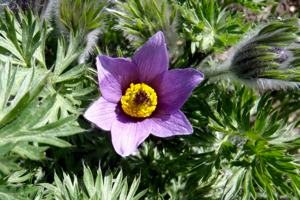
Pulsatilla Pratensis
Pasque flower, contains protoanemonine-forming agents and triterpene saponins. the bees adore this plant when its in flower.
Solidago Ssp
Golden Rod . The herb contains,volatile oil,water soluble acidic polysaccharides, diterpenes, carotinoids, phenol glucosides and caffeic acid, some of these components are really useful in herbal medicine.
Eschscholzia Californica
Californian poppy- variant colour form has a very colourful flowers and very interesting actives, isoquinoline alkaloids and cyanogenic glycosides, considered to bring about the condition of sleep and calmness.
Geranium Roberticum
Herb Robert This herb goes back to the use by Monks of the 10th Century and far beyond . The herbs grow everywhere but most people do not know how good it it is , it has antiviral and antimicrobial + has hypotensive actions and is a pleasure to behold.
Eschscholzia Californica
normal form, same as the other form, but it brightens the day while it flowers.
Lavendula Ssp
Contain volatile oil, hydoxycoumarins and caffeic acid derivatives. Even being near the plant make you feel calm on a hot sunny afternoon.
Rosa-ssp Damask Moss Rose
All Rose hips and petals have so many uses+ the smell -wow!. The actives range from volatile oil, tannins to fruit acids, sugars, flavonoids, tocopferol and carotinoids + they are beautiful to look at even in the winter (hips).
Hypericum Perforatum
St Johns wort .I think this herb has been used since the beginning of time and has so many use externally and internally. Contains , anthracene derivatives,flavonoids,xanthones, acylphloroglucinols, volatile oil, oligomeric procyanidines, catechin tannins and caffeic acid.
Mandragora Officinarum
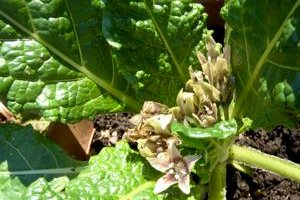
Mandrake .Main active-Tropane alkaloid(0.4%) hyoscyamine. Mandragora is one of the oldest of medicinal plants and appears a lot in folk medicine. But is now only used in Homeopathy. It can cause hallucinations or delirium + the lethal dose can be 100mg for adults and less for children.
We have tried to give you information about a few of the plants used in herbal medicine, BUT remember that some herbal plants can be dangerous if not processed or used in the correct way, never use a herb or product that has not been properly indentified. Most of the population think that natural means “safe”, what they must learn is that when the correct plant parts are processed and used properly, the person will be safe . Even the safest plants can have a side effect, so it is important to talk to the Qualified Medical Herbalist who understands the plant actions and possible side effects.